Water Footprint & Risk Assessment
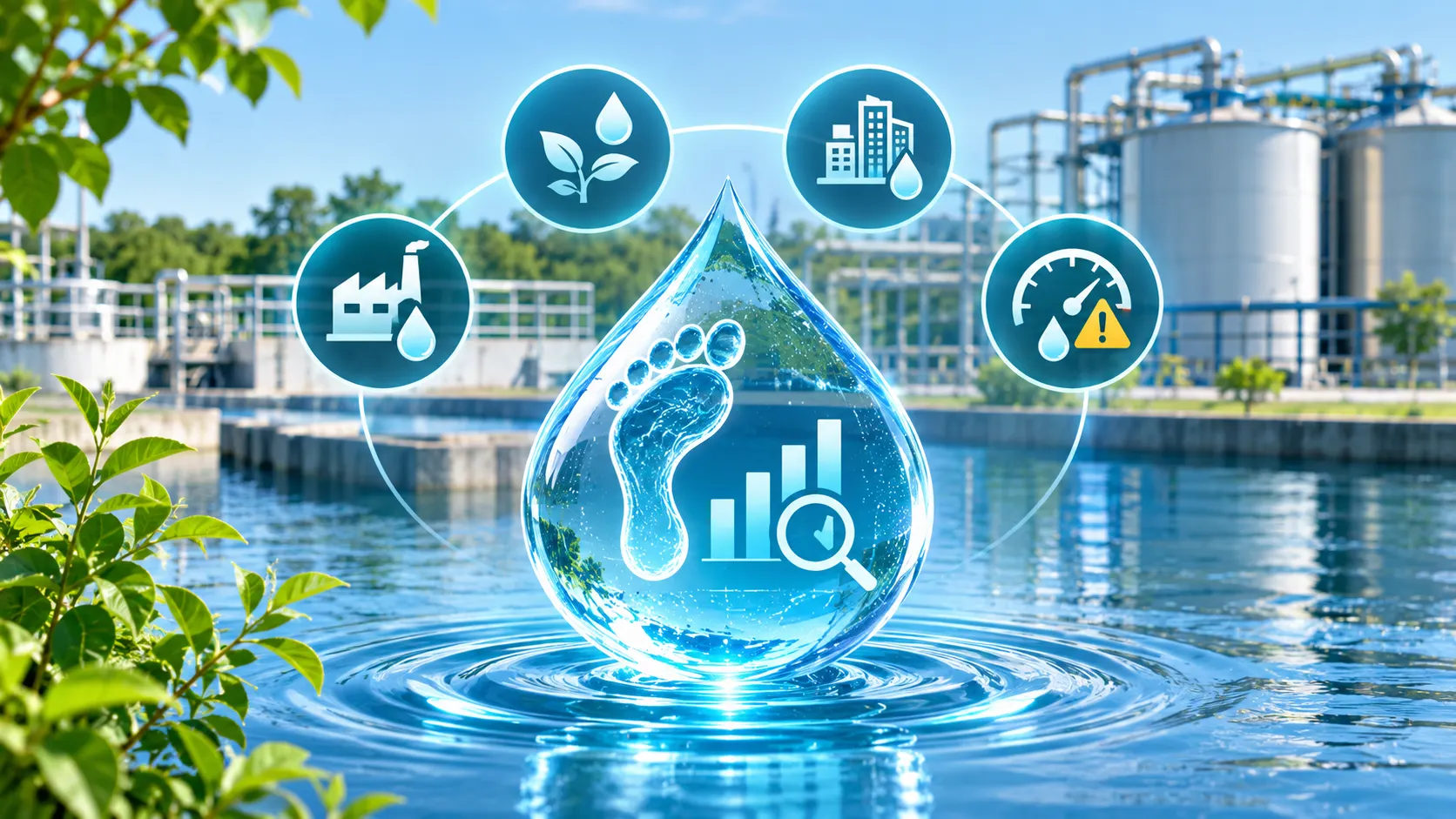
Understand water sources, consumption, discharge and local water risks to identify priority actions.
PureGy R&D helps organisations reduce freshwater demand, expand water reuse and develop practical pathways towards positive water impact.
Combining applied research, treatment technologies and performance assessment, we support more resilient water systems across Saudi Arabia and the wider region.
PureGy R&D helps organisations reduce freshwater demand, expand water reuse and develop practical pathways towards positive water impact.
Combining applied research, treatment technologies and performance assessment, we support more resilient water systems across Saudi Arabia and the wider region.
From understanding water risks to validating practical interventions, our solutions connect scientific assessment with operational improvement.
Understand water sources, consumption, discharge and local water risks to identify priority actions.
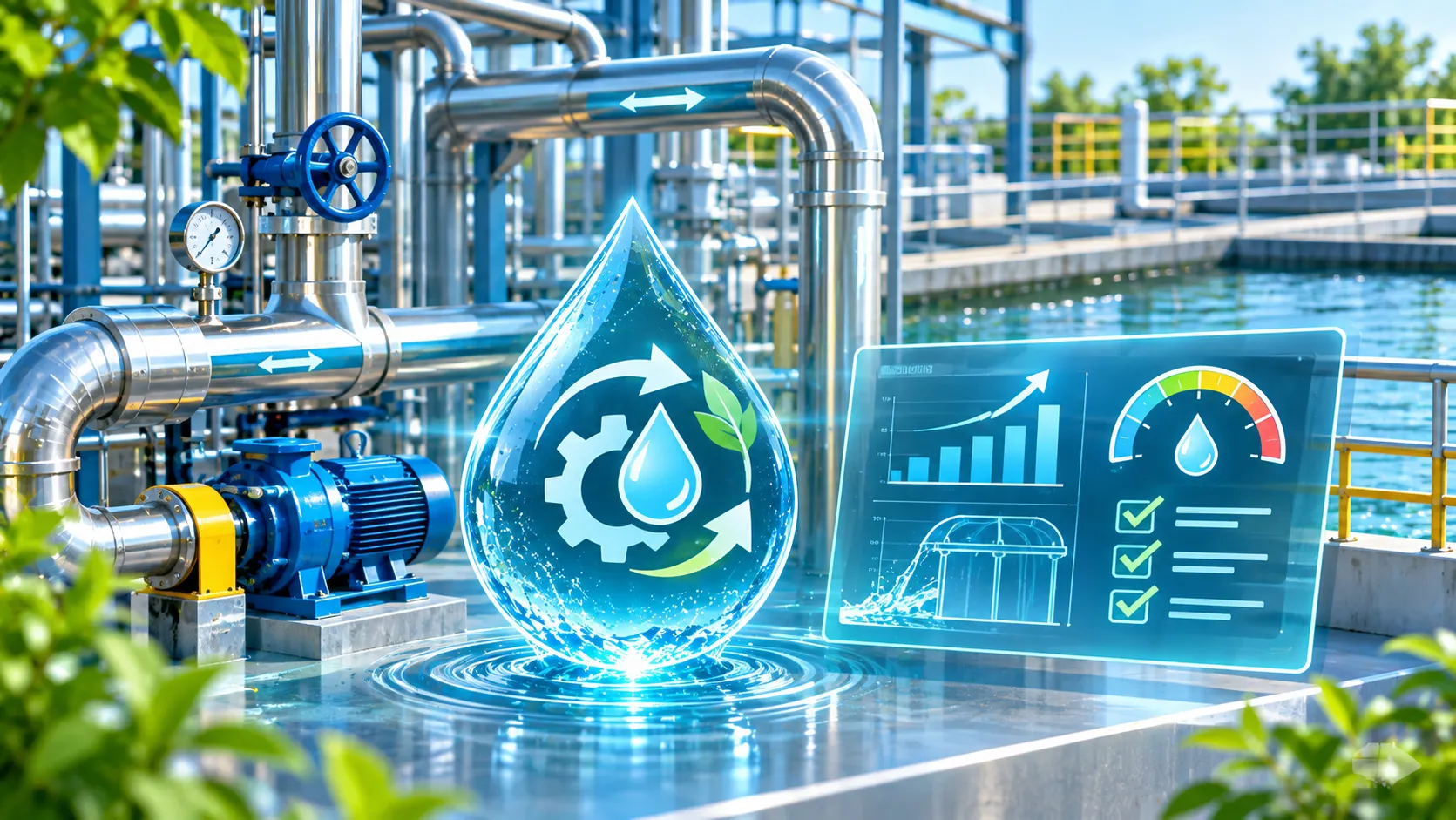
Identify opportunities to reduce water losses and improve efficiency across treatment and operational processes.
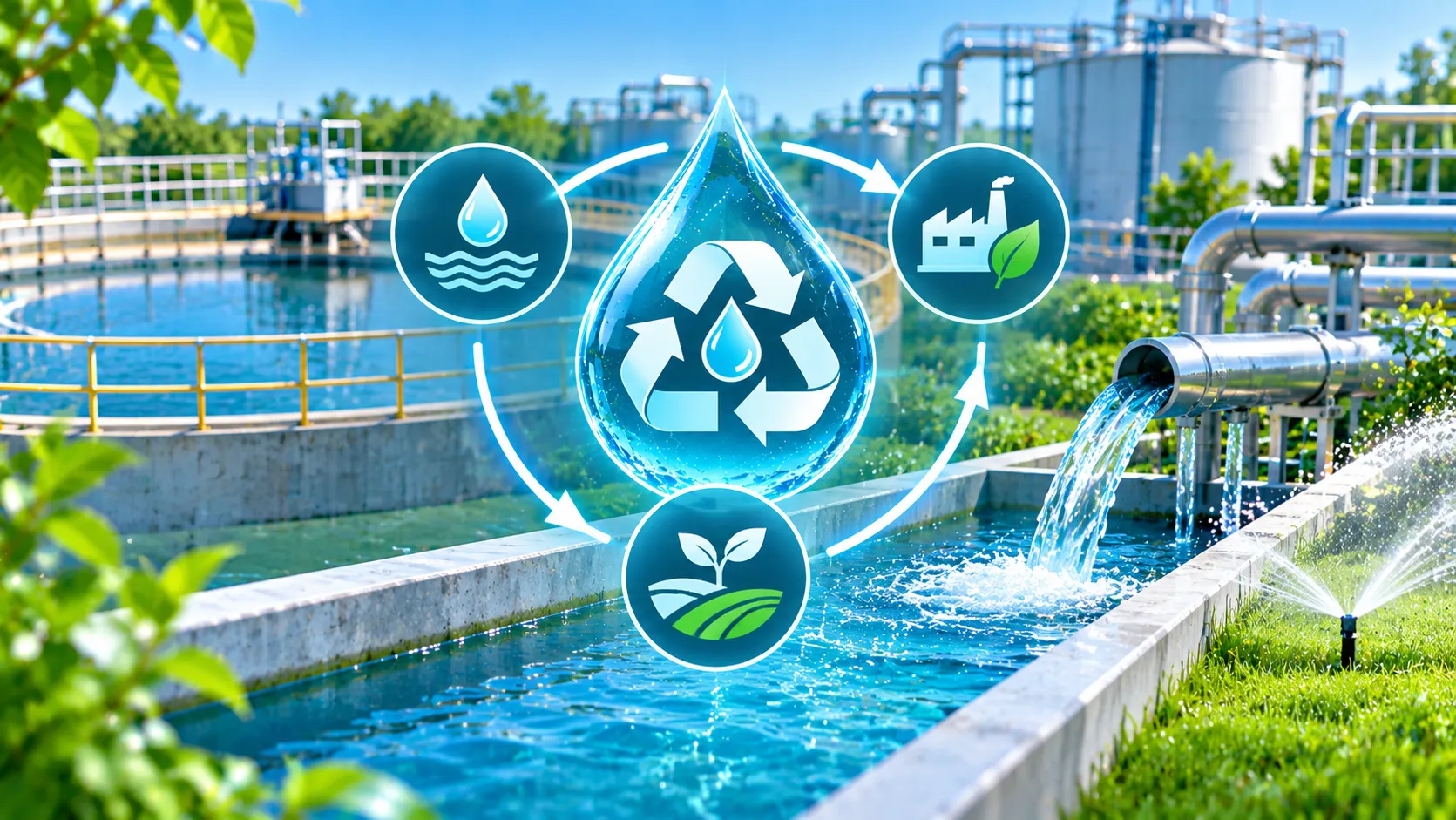
Assess treatment and reuse opportunities that reduce dependence on freshwater supplies.
Develop site-specific baselines, targets and action plans, including opportunities for locally relevant replenishment and restoration projects.
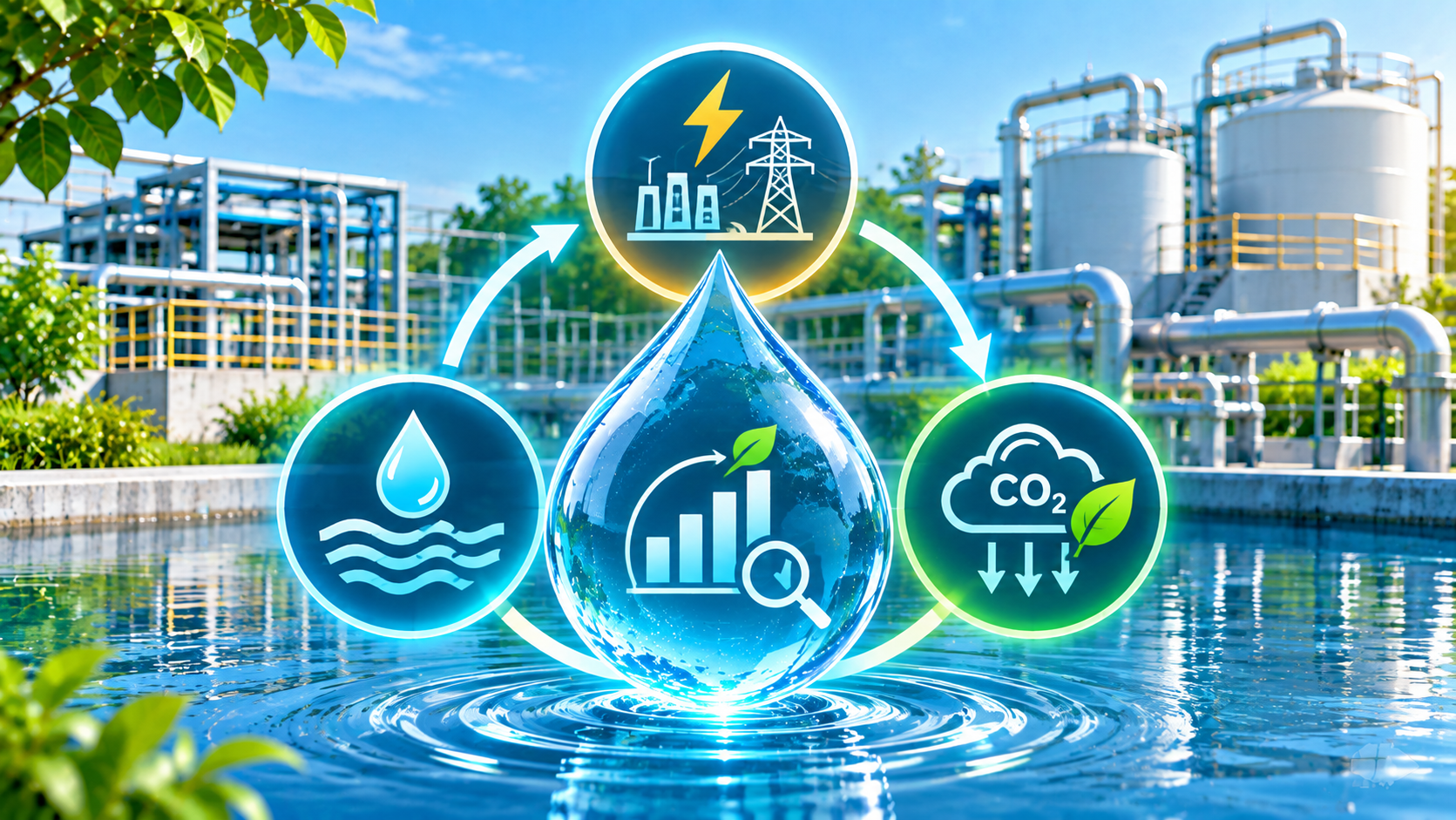
Evaluate how water treatment improvements affect energy consumption, chemical use, operating costs and associated emissions.
Track progress through clearly defined indicators, documented calculations and transparent reporting.
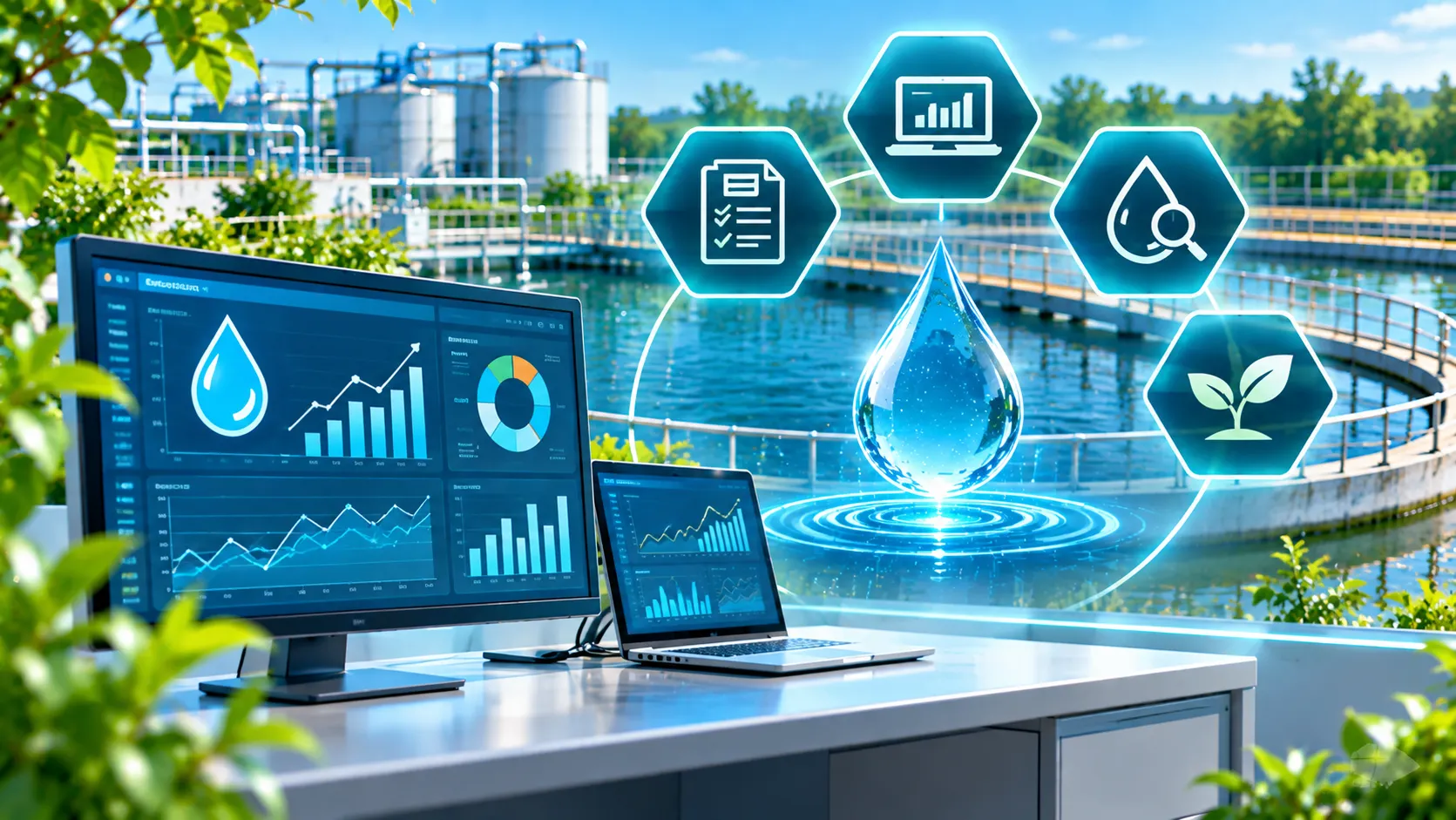
A practical, evidence-led process for identifying and measuring water improvements.
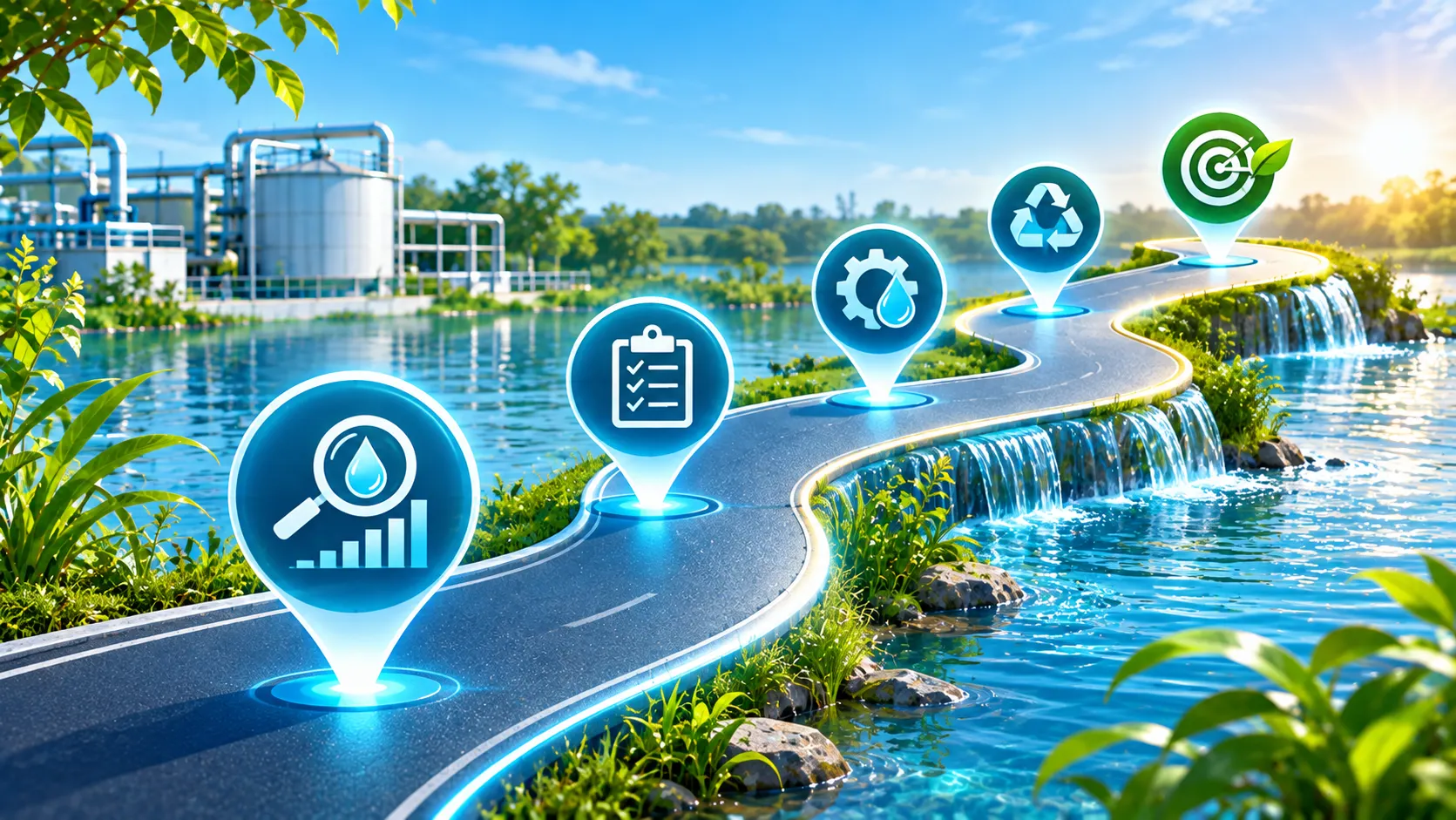
Establish the baseline and understand local water conditions.
Identify technically and commercially viable interventions.
Test selected solutions and evaluate performance.
Track outcomes against agreed targets.
Explore example water performance indicators used to evaluate resource efficiency, treatment operations and potential water benefits.
The values are illustrative, not derived from an actual facility. For real reporting, each indicator must document the project boundary, source data, baseline, reference period, calculation method, measurement frequency and evidence status (modelled, estimated, measured or independently verified). Water quality targets must specify the parameter and applicable standard. Replenishment benefits require locally relevant accounting and substantiation.
Speak with PureGy R&D about your facility, operational priorities and water challenges.
From understanding water risks to validating practical interventions, our solutions connect scientific assessment with operational improvement.
Understand water sources, consumption, discharge and local water risks to identify priority actions.
Identify opportunities to reduce water losses and improve efficiency across treatment and operational processes.
Assess treatment and reuse opportunities that reduce dependence on freshwater supplies.
Develop site-specific baselines, targets and action plans, including opportunities for locally relevant replenishment and restoration projects.
Evaluate how water treatment improvements affect energy consumption, chemical use, operating costs and associated emissions.
Track progress through clearly defined indicators, documented calculations and transparent reporting.
Contact PureGy R&D about your facility's operational priorities and water challenges.